We have taken the decision to extend the consultation to Friday 3 April to give more people the opportunity to tell us what we should improve in the draft.
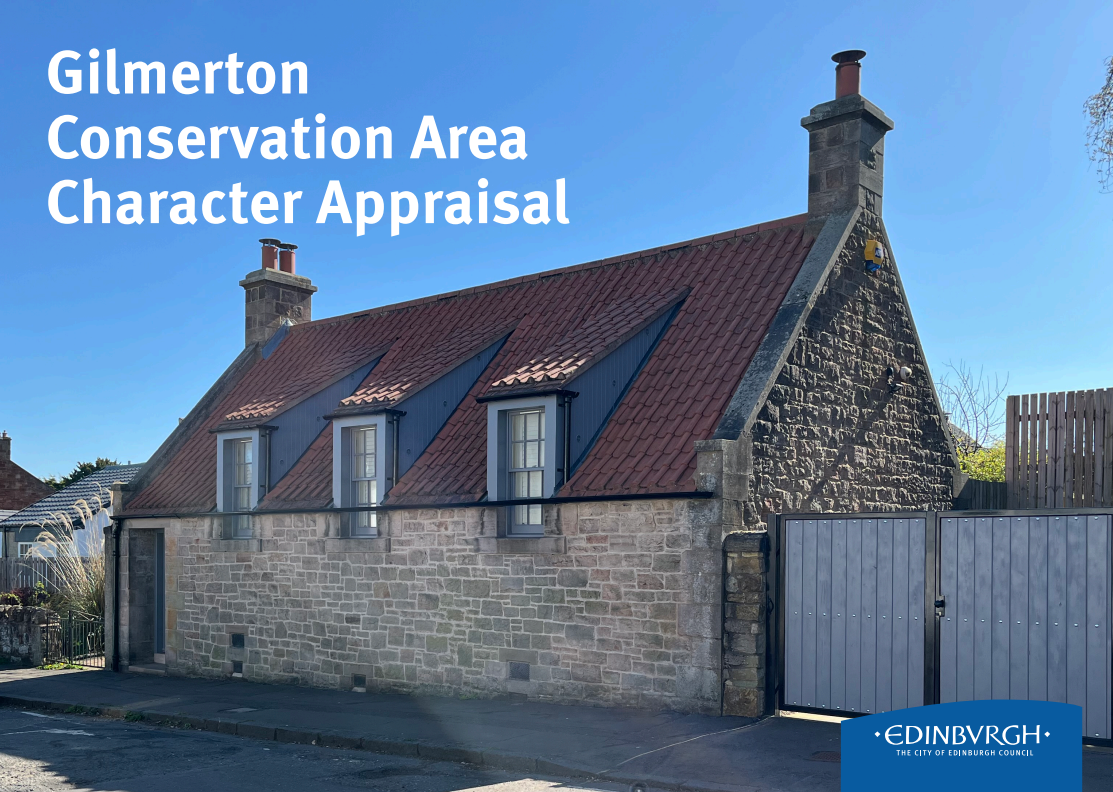
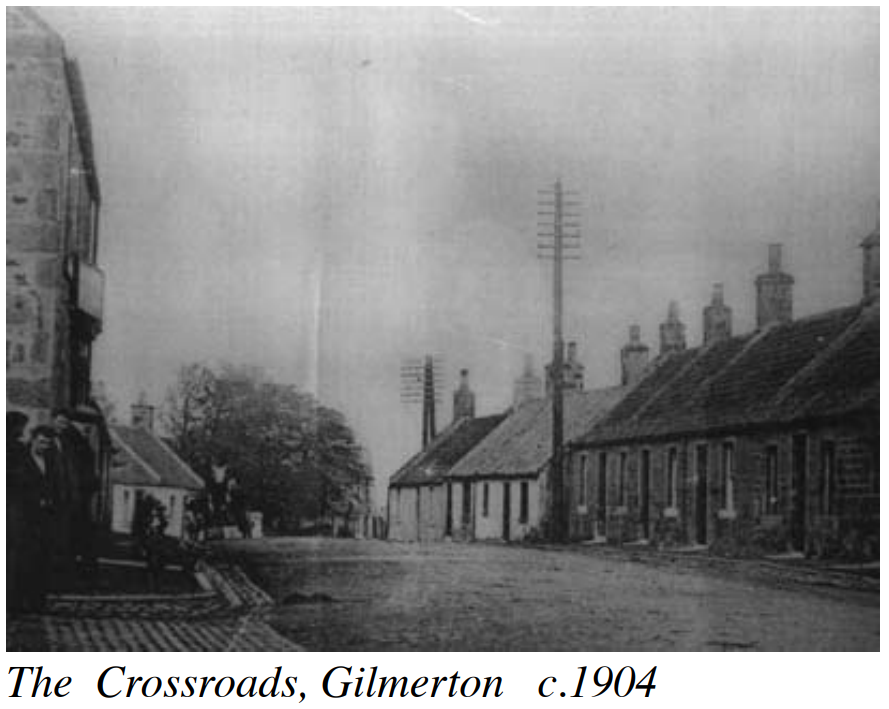
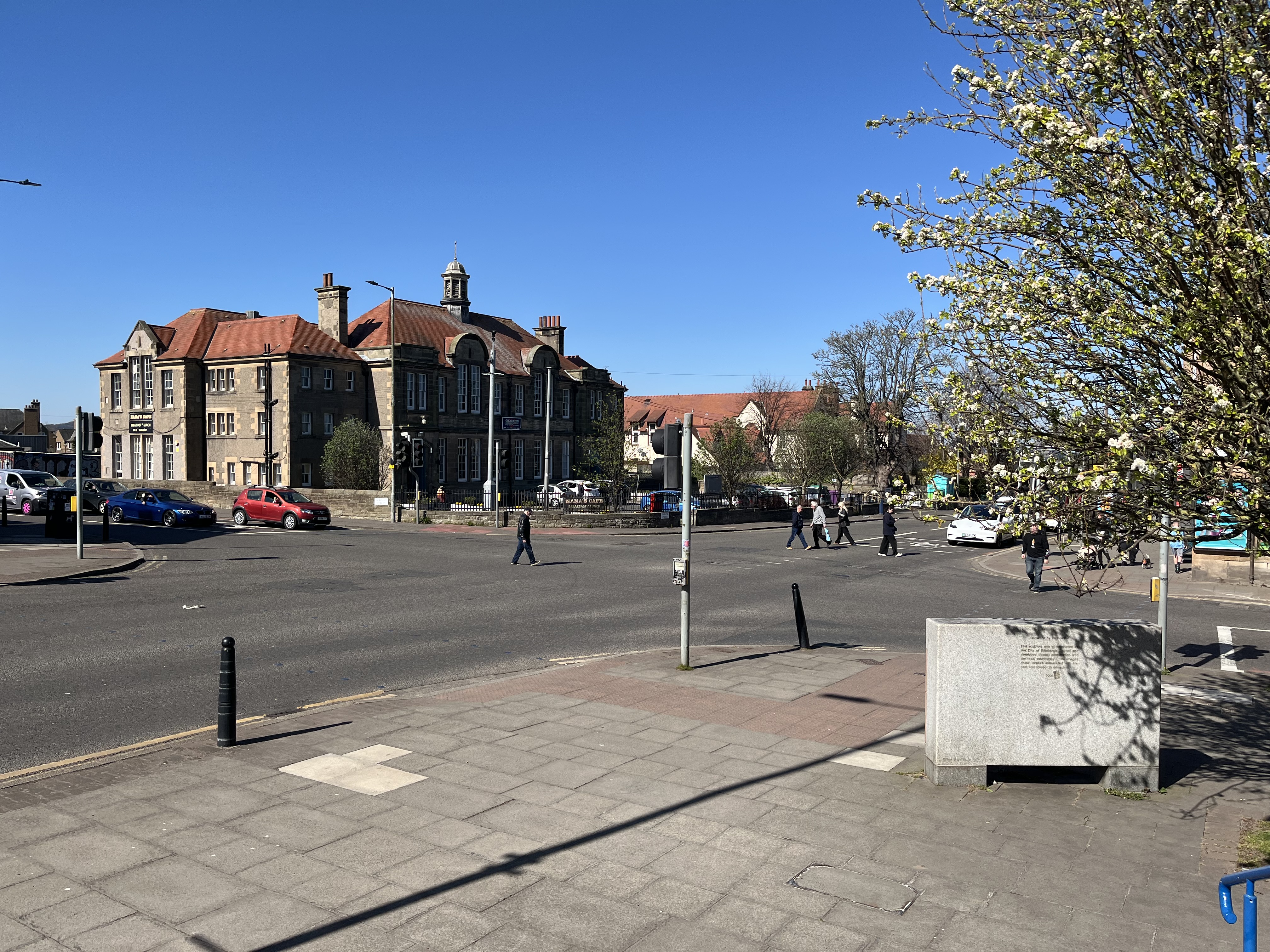
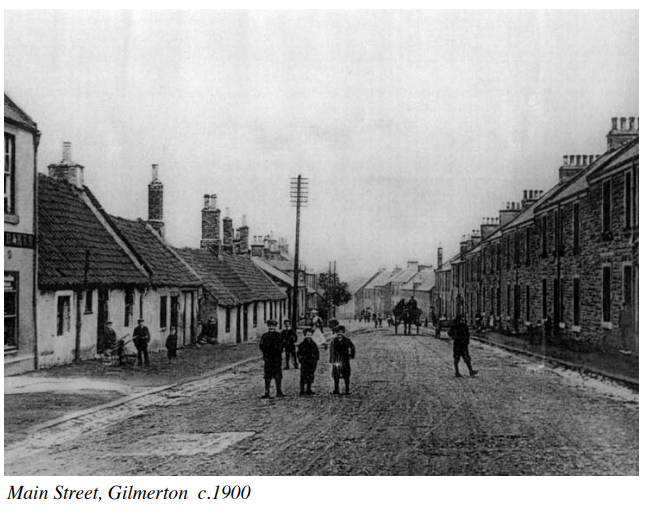
A Conservation Area Character Appraisal explains what is special about a particular area and why it is a conservation area. It outlines its historical development and identifies the key elements, essential features and special qualities that contribute to its unique character and appearance.
In 1977 Gilmerton was designated a Conservation Area which aims to protect its unique agricultural and mining heritage and qualities for the future.
The current appraisal was adopted in 2000. Since then, Gilmerton has evolved and we need to update the character appraisal to reflect Gilmerton Conservation Area today.
You can access the draft appraisal and the consultation here.
A Conservation Area Character Appraisal explains what is special about a particular area and why it is a conservation area. It outlines its historical development and identifies the key elements, essential features and special qualities that contribute to its unique character and appearance.
In 1977 Gilmerton was designated a Conservation Area which aims to protect its unique agricultural and mining heritage and qualities for the future.
The current appraisal was adopted in 2000. Since then, Gilmerton has evolved and we need to update the character appraisal to reflect Gilmerton Conservation Area today.
The questionnaire is asking about the draft appraisal;
A series of new and revised non-statutory planning guidance to provide additional information on the policies of City Plan 2030 and National Planning Framework 4 is now live.
The guidance is provided to assist those considering proposals for development and will be used as a material consideration in the determination of planning applications.
The new guidance is listed below:
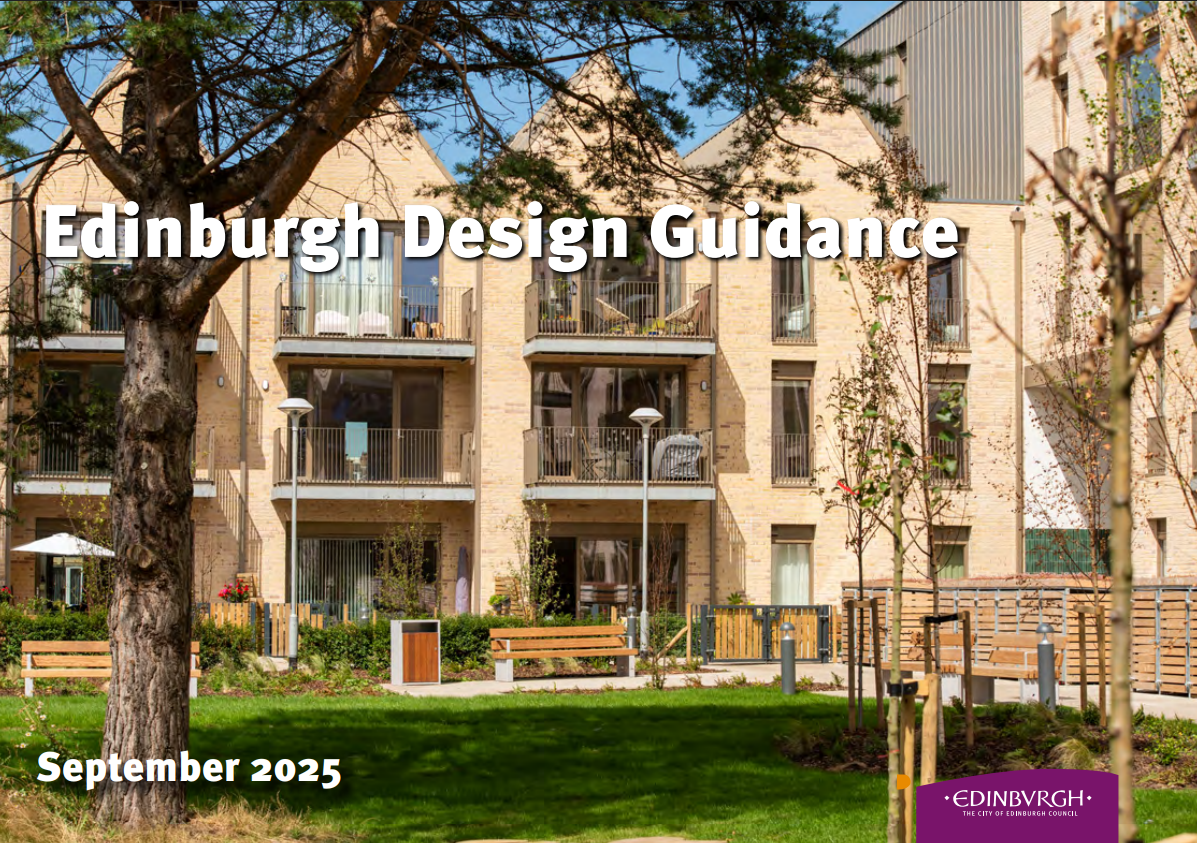
Edinburgh Design Guidance – this should be used for the planning and design of new development proposals and for street design.
Guidance for Householders – this is for people considering altering or extending their home, and for professionals involved in the application process.
Student Accommodation Guidance – this is for professionals and developers involved in the provision of purpose-built student accommodation including new build, change of use and conversion.
Developer Contributions and Infrastructure Delivery Guidance – this will be used to assist in assessing planning applications including the provisions to include legal agreements requiring contributions towards delivering infrastructure associated with development.
You can see all our Planning Guidance and Planning Quick Guides here
This is a very special time to welcome International Biodiversity Day 2025, as Edinburgh celebrates a very important biodiversity anniversary this year. There is a long history of partnership working for biodiversity in the city and this year marks 25 years of the Edinburgh Biodiversity Partnership.
May is a great month to celebrate biodiversity and enjoy spending time in nature, and Edinburgh has some very special places to see nature – all year round!
We are really fortunate to have some amazing wildlife across our city, and this includes fantastic species like otters who have returned to our rivers and burns in recent years.
This month sees the return of Swifts, a bird which comes here just to breed and relies entirely on buildings for nesting sites. However, the nature crisis is well documented and there continue to be declines across all species groups globally and in Scotland. This is due to habitat loss, poor habitat management, pollution, invasive species and disease. Extreme weather caused by our changing climate can also have a negative impact through droughts and flooding. Climate change also makes some of the other threats worse, such as the spread of pests and diseases.
Tackling these challenges and supporting the recovery of nature requires a step change in land use planning and embedding positive effects for biodiversity into new developments.
Integrating nature at the design stage and creating nature positive places is good for health and wellbeing as well as biodiversity. It also supports resilience in the built environment to the impacts of climate change from overheating and extreme rainfall.
Listed Buildings and Conservation Areas – Guidance to support works to a listed building or within a conservation area. This is to make sure we look after our historic buildings and places.
Guidance for Householders – Guidance for development undertaken by individual householders. This includes work to existing houses and gardens.
You can view the draft-for-consultation documents here:







 Planning Edinburgh
You must be logged in to post a comment.