We’re at the very early stages of putting together our next local development plan City Plan 2040.
There is still time to submit your proposals and ideas to help frame the vision, policies and proposals for the Proposed Plan.
Your ideas should focus on the use and development of land and buildings across Edinburgh – this could be proposals for an area of land, site or building, something you want to protect or improve or planning policies you want to change.
You can submit your suggestions via the Council’s Consultation Hub. You can also find out more and what information is required to submit a proposal or idea.
The consultation is open until 30 September 2026 and every idea will be considered.
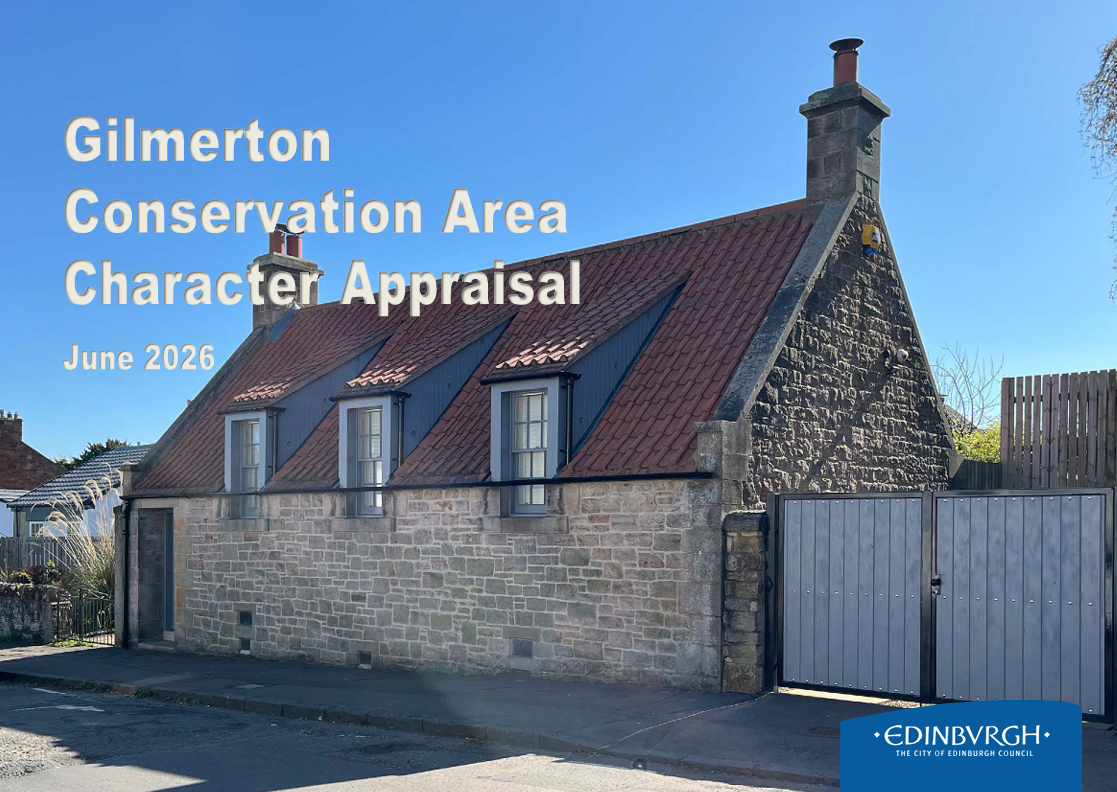
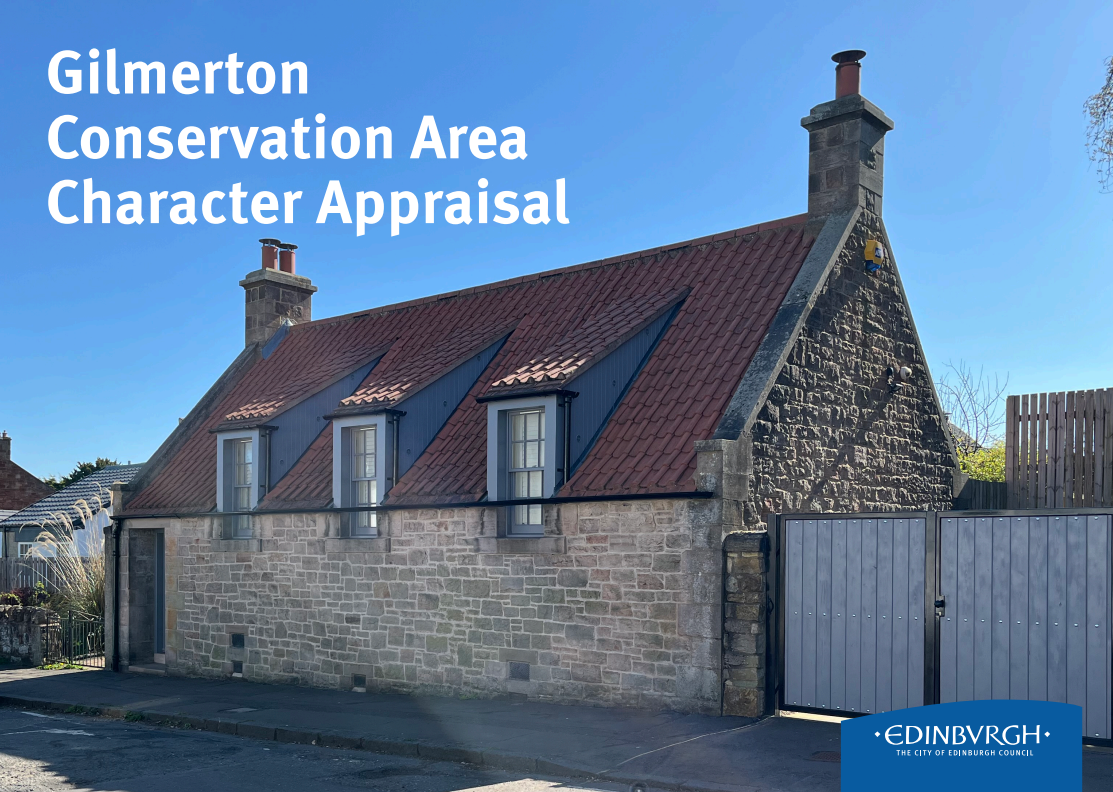
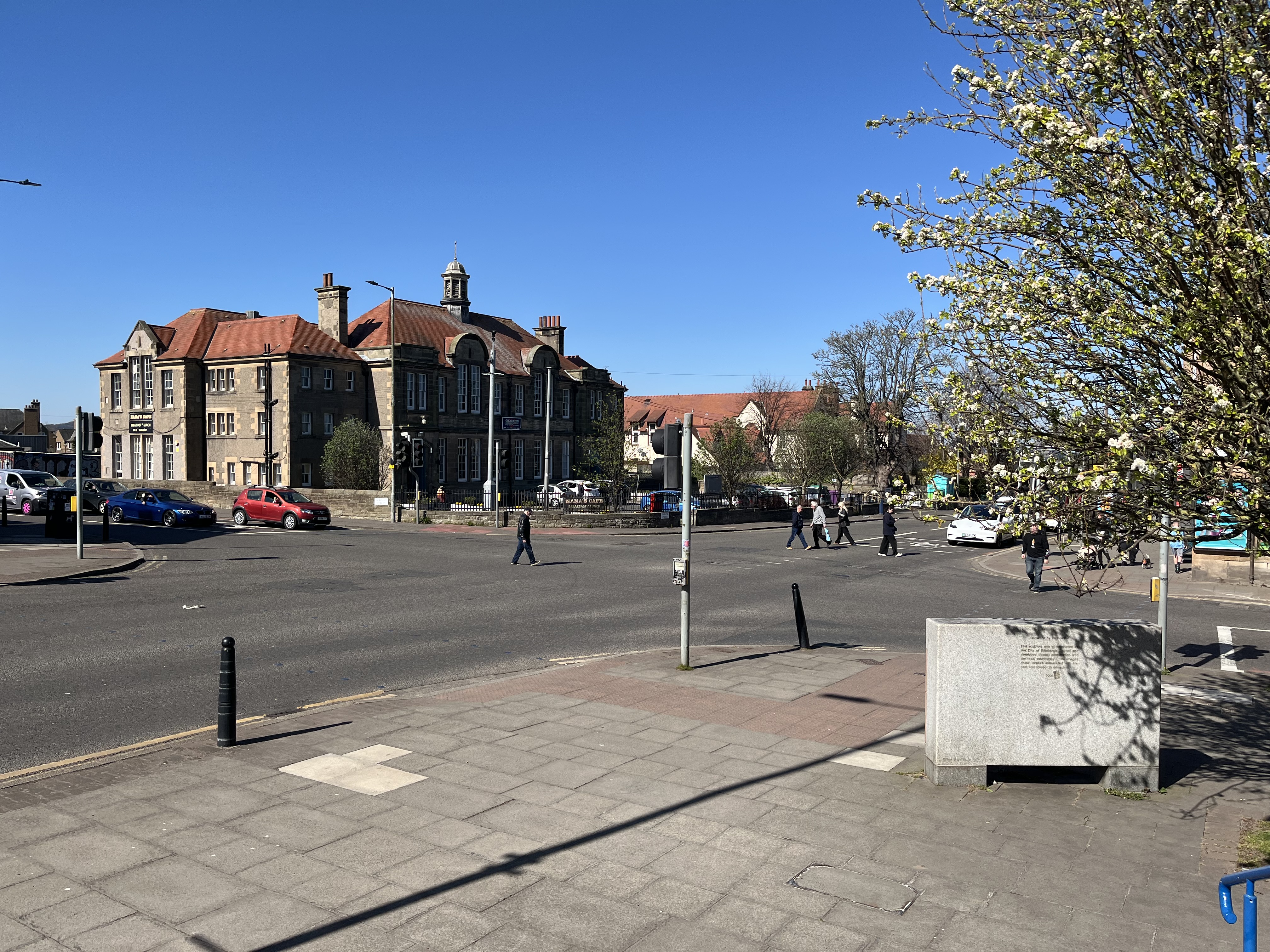
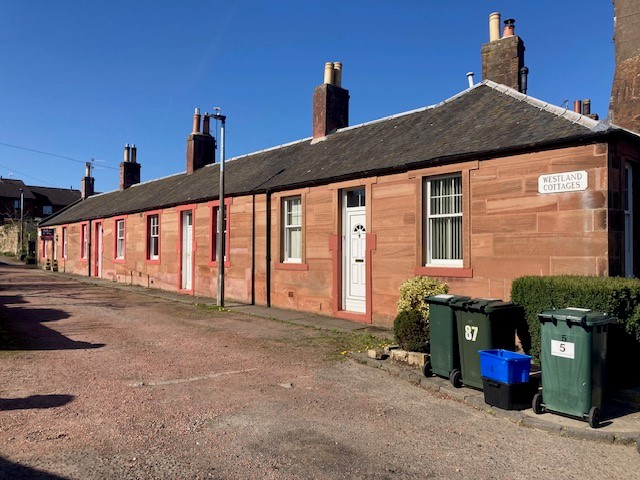
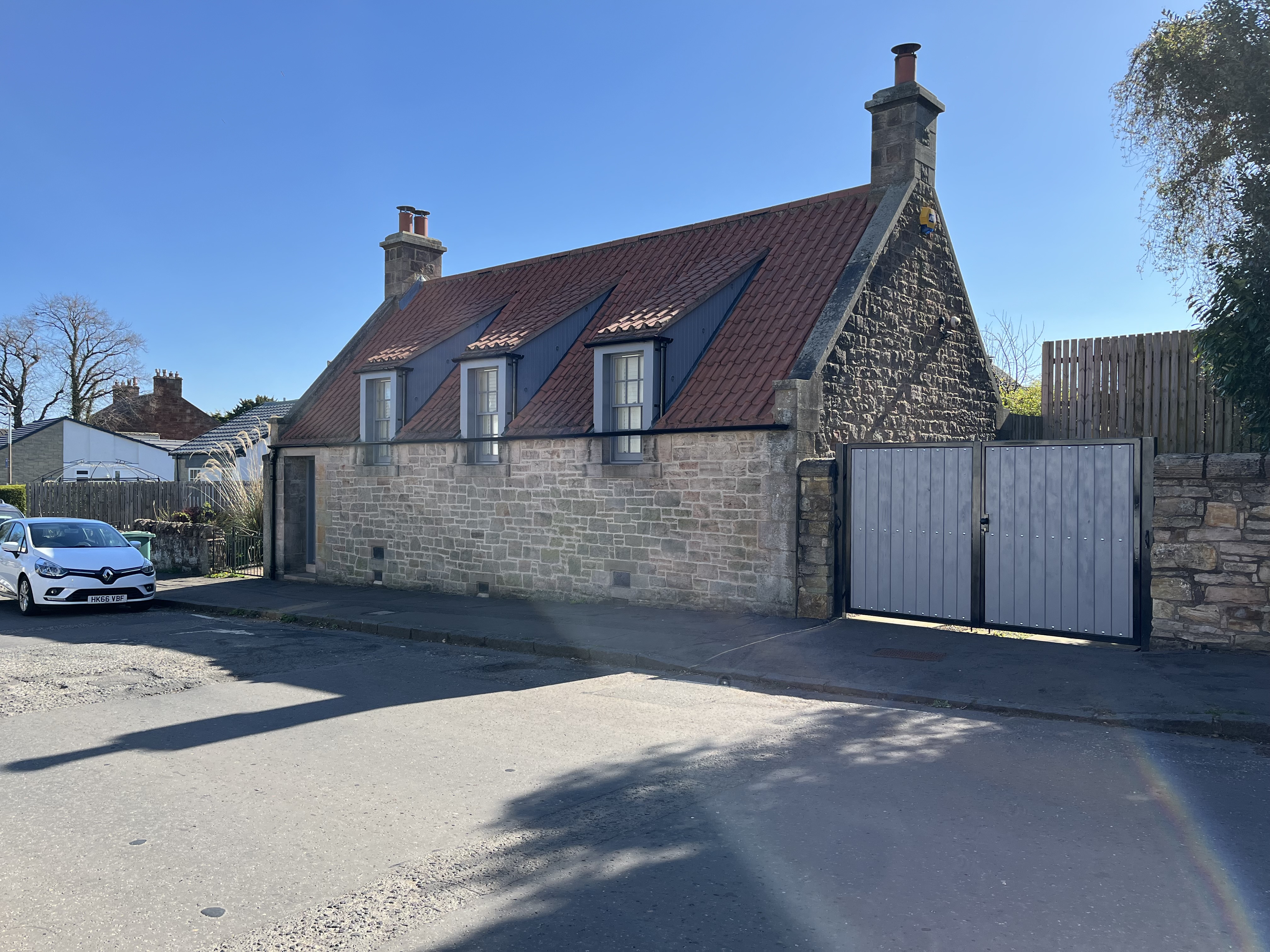
Planning Committee has approved the revised Gilmerton Conservation Area Character Appraisal (CACA) at its meeting on 17 June 2026.
The newly approved document is now a material consideration in the determination of planning applications within the conservation area. It will also serve as a reference for planning, design and discussions relating to listed buildings and new development in Gilmerton.
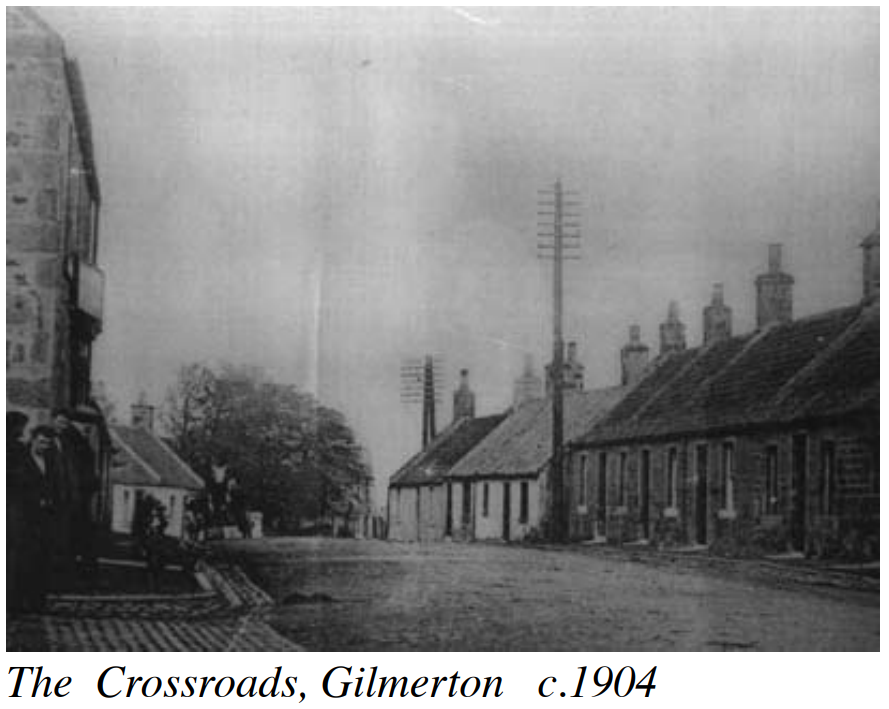
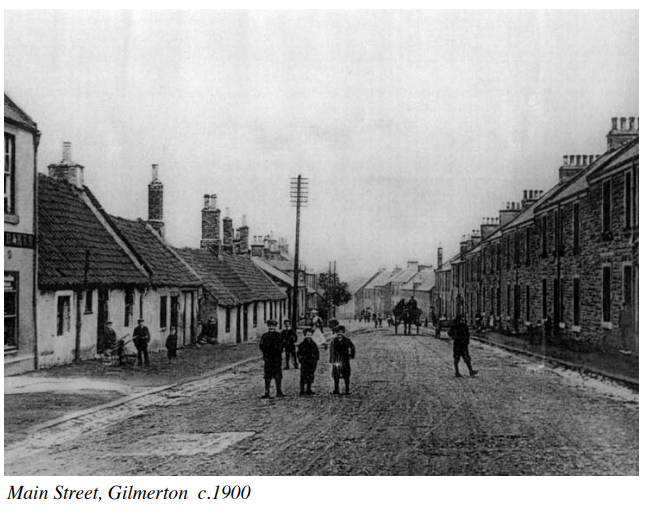
Gilmerton Conservation Area was originally designated in October 1977 in recognition of its rich mining and agricultural heritage, which continues to shape the area’s distinctive street pattern and historic buildings.
The previous Character Appraisal dated back to July 2000. Keeping Character Appraisals up to date is important, not only to ensure planning decisions are based on current evidence, but also because an appraisal that is typically less than five years old is a key requirement when applying for future conservation funding.
Any future funding bids will need to clearly demonstrate how proposed projects align with the findings and recommendations set out in the appraisal.
Opportunities for enhancement
The revised appraisal identifies a number of opportunities to help protect and enhance Gilmerton’s special character.
These include:
Greater attention given to encouraging development that reinforce features that give Gilmerton its unique character and history
Creating more opportunities for people to stop, rest and enjoy the area’s historic environment
Investing in important community assets, including the Category B listed Gilmerton Community Centre, the Society Hall and Gilmerton Library
The sympathetic restoration and reopening of Gilmerton Cove, the remarkable underground network of tunnels and chambers as an educational, community and visitor attraction
Greater attention to encouraging developments that retain original architectural features wherever possible and that use traditional materials.
We have taken the decision to extend the consultation to Friday 3 April to give more people the opportunity to tell us what we should improve in the draft.
A Conservation Area Character Appraisal explains what is special about a particular area and why it is a conservation area. It outlines its historical development and identifies the key elements, essential features and special qualities that contribute to its unique character and appearance.
In 1977 Gilmerton was designated a Conservation Area which aims to protect its unique agricultural and mining heritage and qualities for the future.
The current appraisal was adopted in 2000. Since then, Gilmerton has evolved and we need to update the character appraisal to reflect Gilmerton Conservation Area today.
You can access the draft appraisal and the consultation here.
A Conservation Area Character Appraisal explains what is special about a particular area and why it is a conservation area. It outlines its historical development and identifies the key elements, essential features and special qualities that contribute to its unique character and appearance.
In 1977 Gilmerton was designated a Conservation Area which aims to protect its unique agricultural and mining heritage and qualities for the future.
The current appraisal was adopted in 2000. Since then, Gilmerton has evolved and we need to update the character appraisal to reflect Gilmerton Conservation Area today.
The questionnaire is asking about the draft appraisal;
We know that Edinburgh is not just one place, but it is made up of many different areas. Each with its own good points and challenges.
We need to get an understanding of each area, what it’s like to live there and what we need to plan for in City Plan 2040.
To gather people’s views, we have launched a public engagement asking people ‘what they think about where they live’.
The questionnaire covers the important things that make a good place such as homes, local shops and services, healthcare, public transport, open space, play facilities, community space and jobs .
If you live in Edinburgh, you can find out more and fill in the questionnaire on our Consultation Hub here
There are also a series of drop-in events:
Monday 3 November at the Waverley Court (Hawthorn Learning Space) from 14:30-19:30
Saturday 8 November at the Gyle Shopping Centre (Main Concourse) from 12:00-15:00
Tuesday 11 November, Kirkliston Parish Church Hall from 15:30-18:30
Wednesday 12 November, Sighthill Library/ Gate 55 from 16:00-19:00
Monday 17 November at Oxgangs Library (Community Room) from 16:00-19:00
Tuesday 18 November at Drumbrae Library Hub (Parkgrove Room) from 15:30-19:00
Wednesday 19 November at Magdalene Community Centre from 15:30-19:00
Friday 21 November at North Edinburgh Arts Centre (Theatre Suite) from 16:00-19:00
Saturday 17 January 2026 at Cameron Toll Shopping Centre from 11:30-14:30
City Plan 2040 Update
City Plan 2040 will be our next local development plan after City Plan 2030.
There are several formal stages that we need to go through as we prepare City Plan 2040. We have produced a Development Plan Scheme which explains these stages and sets out the timetable for the plan preparation.
Currently, we are working on our Evidence Report which is the first stage of preparing a local development plan. This will contain topic papers on a wide range of issues.
The Evidence Report will provide a baseline of information and what we might need to address in City Plan 2040.






 Planning Edinburgh
You must be logged in to post a comment.