Listed Buildings and Conservation Areas – Guidance to support works to a listed building or within a conservation area. This is to make sure we look after our historic buildings and places.
Guidance for Householders – Guidance for development undertaken by individual householders. This includes work to existing houses and gardens.
You can view the draft-for-consultation documents here:
Our consultation is now open for draft planning guidance for purpose built student accommodation (PBSA) in Edinburgh.
The draft guidance has been prepared to support City Plan 2030 policy dealing with PBSA. It sets out the Council’s expectations and provides guidance for developers and planning officers. It also seeks to ensure the provision of good quality PBSA in appropriate locations whilst protecting the character of existing areas.
It applies to all types of PBSA developments, including new build, change of use and conversion. To support the health and wellbeing of students, it is essential that they are provided with appropriately located, high quality accommodation. While many students will choose to live in other forms of accommodation, PBSA is a key part of the available accommodation in the city.
We want the guidance to help people understand what we require from the development of PBSA. To do this, we want to make sure the content is clear, helpful, and balanced.
When approved in its final form it will be used by the Council to assess planning applications.
You can read the draft guidance and give us your views in our online survey by Friday 23 May 2025.
Edinburgh World Heritage host regular events throughout the year — here are two upcoming events that you might be interested in.
Energy Retrofit of Traditional Buildings in Edinburgh
On Tuesday 25 March, this free event will offer insight on enhancing energy efficiency and reducing carbon emissions in traditional buildings.
There will also be information on Edinburgh Word Heritage’s Climate Emergency Grant programme as well as a question and answer session. The event will conclude with tea and coffee.
On Thursday 20 March,Dr Angus Miller from University of Edinburgh will examine the influence Edinburgh’s underlying geology has had on the evolution of the city as well as the role it has played in placing Edinburgh at the heart of the development of ideas on how the world works.
We are planning a major expansion of West Edinburgh. The area along the A8 corridor, south of the Airport will be developed with houses, shops, schools, services, public transport, healthcare, parks and sports facilities.
We produced the West Edinburgh Placemaking Framework to guide development and we engaged with residents and businesses to make sure we got this right. The Framework was revised based on that feedback.
The Scottish Government supports our plans for development but there are elements of the Framework that need more work, including:
how the new area will connect to the surrounding area, existing communities and other new developments,
how the essential things that people will need are delivered and when, and
In this blog, Holly Gray, Student Planner highlights how engagement with young people will help inform the future of West Edinburgh.
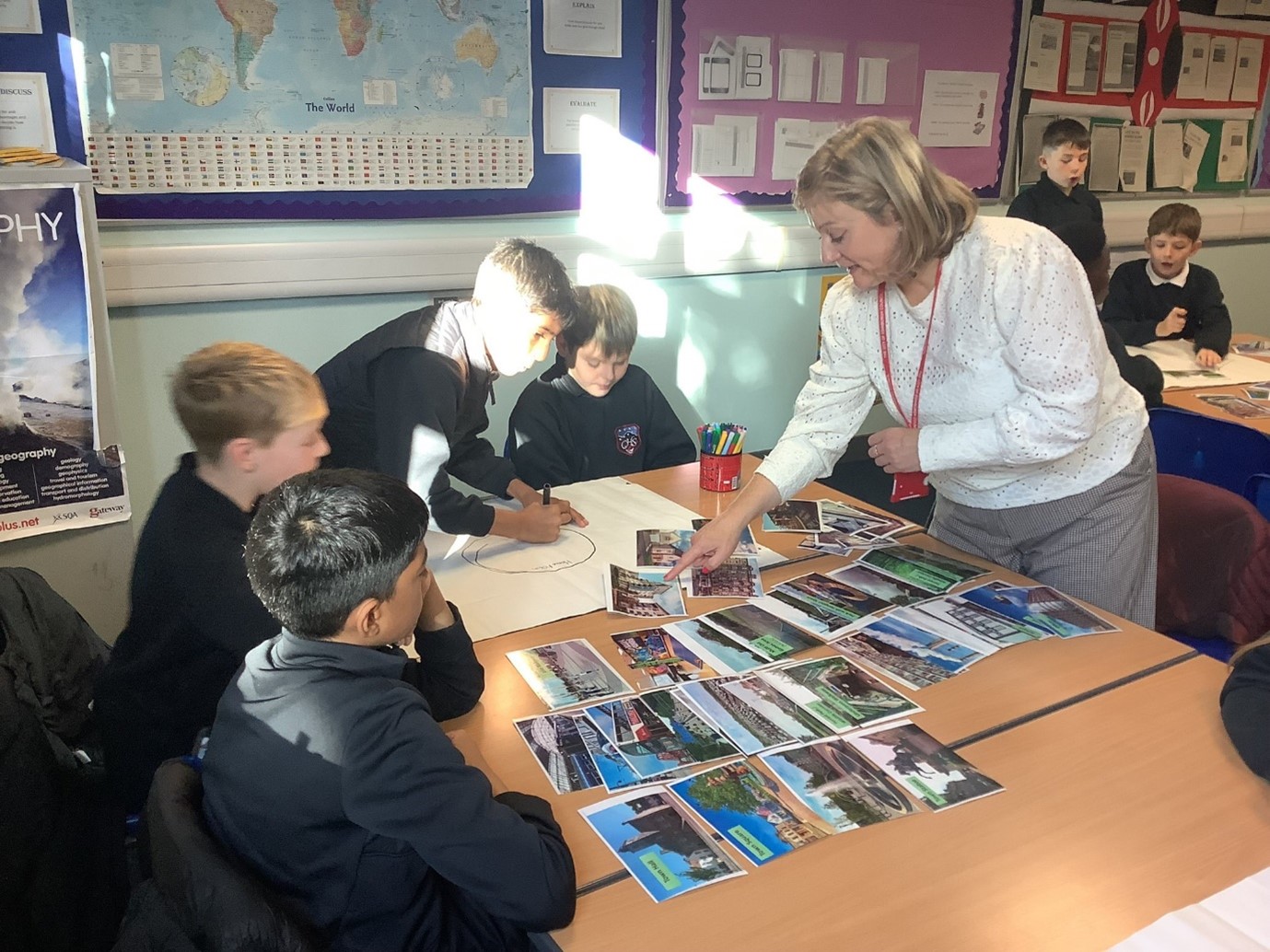
As a student planner for the Planning Service, I have been involved in whole range of work. One the highlights so far has been running engagement events at three schools in West Edinburgh: Craigmount High School, Fox Covert Primary School and Cramond Primary School.
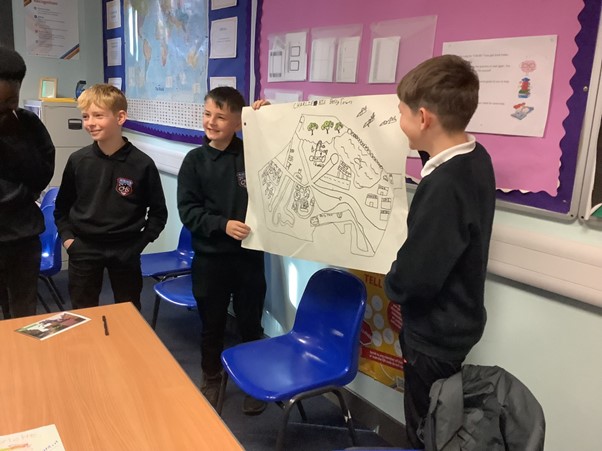
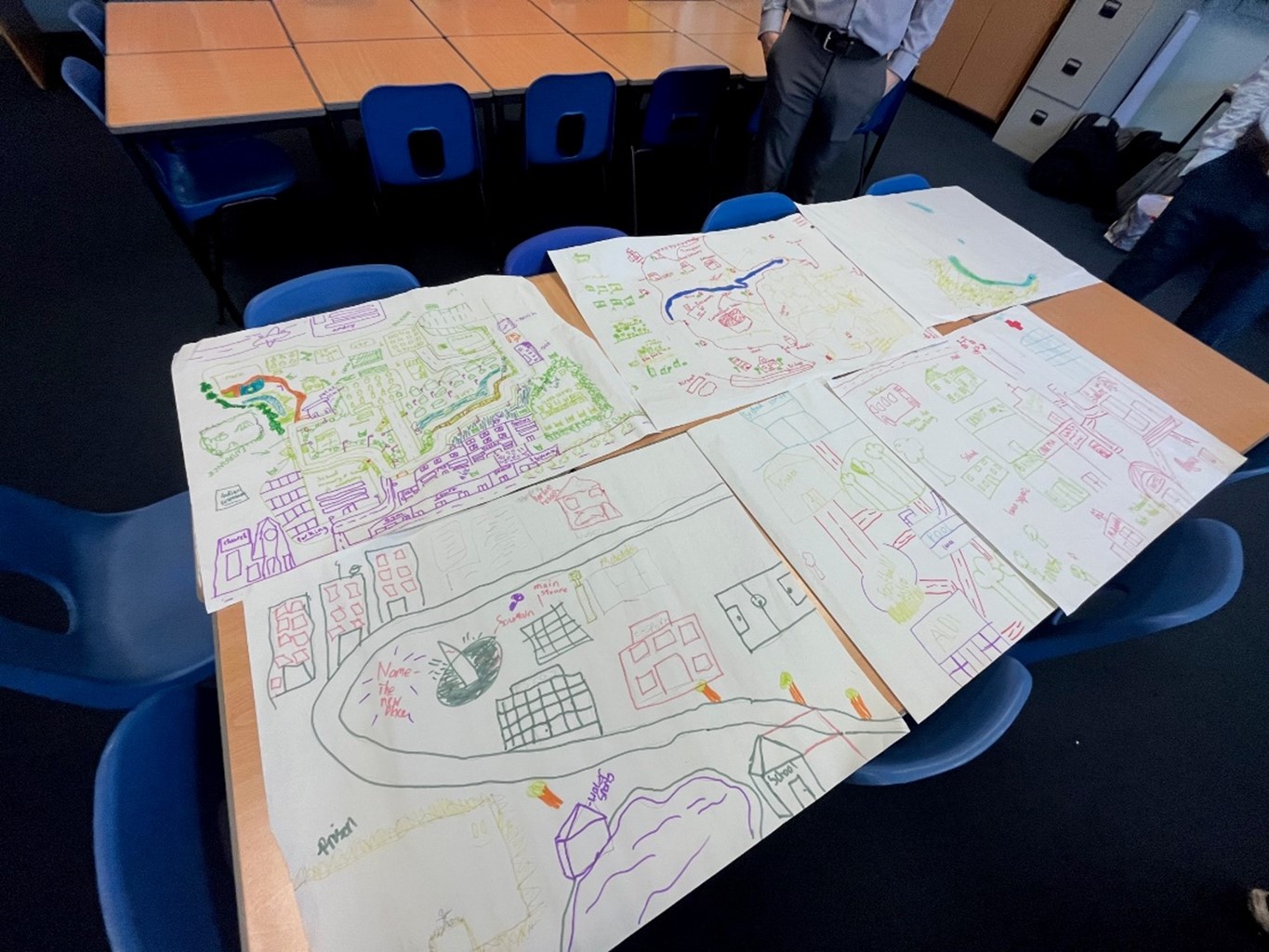
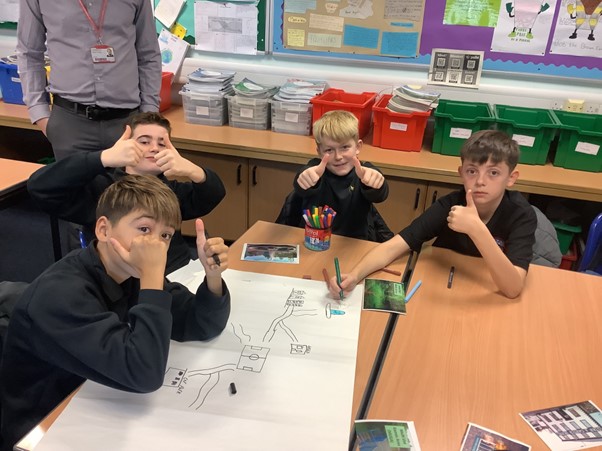
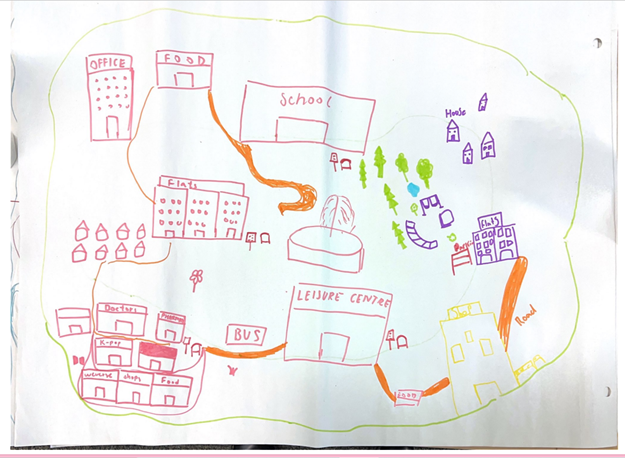
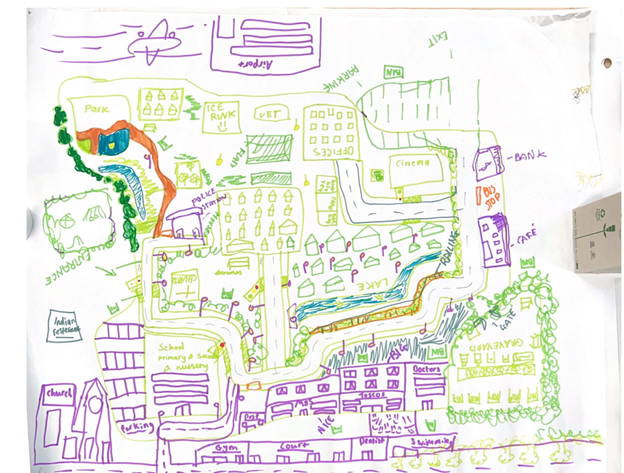
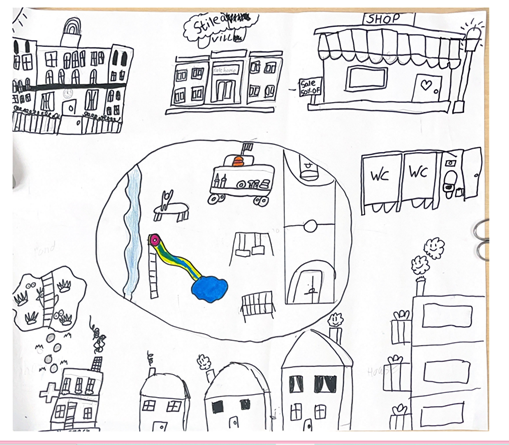
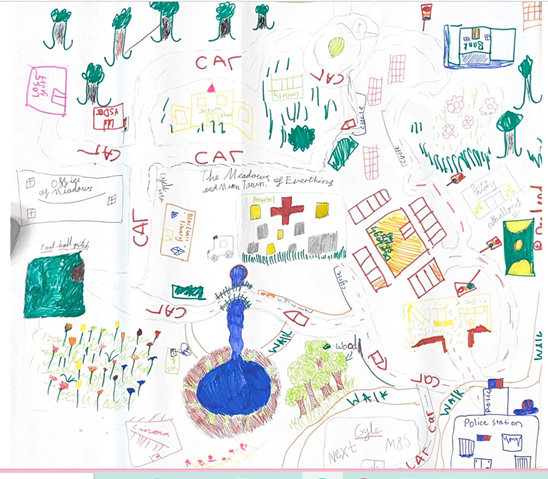
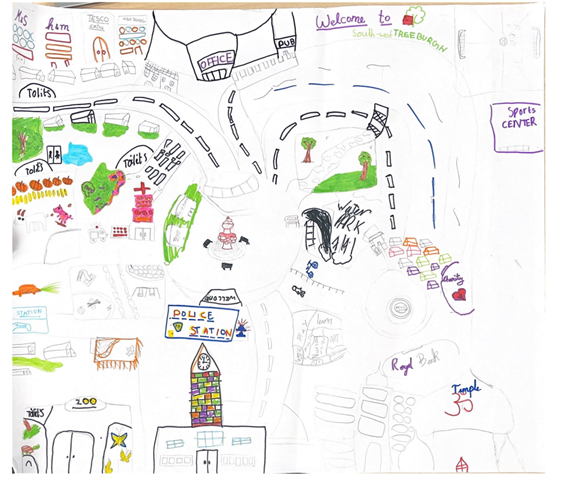
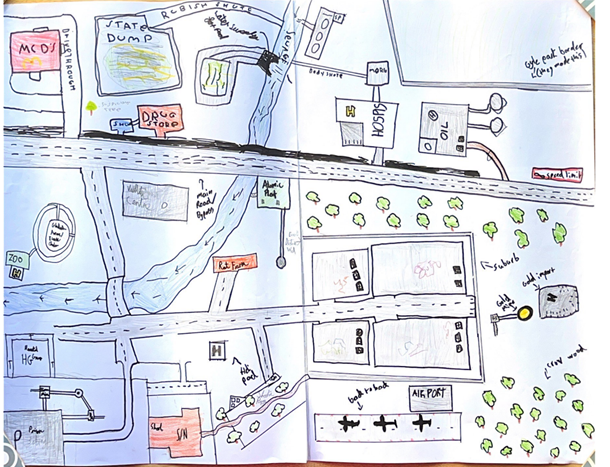
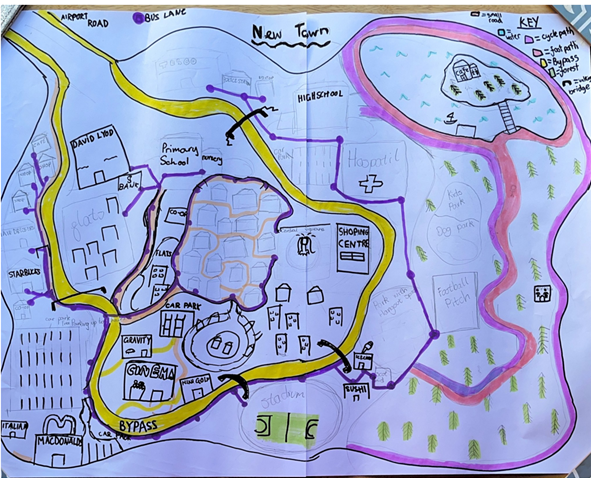
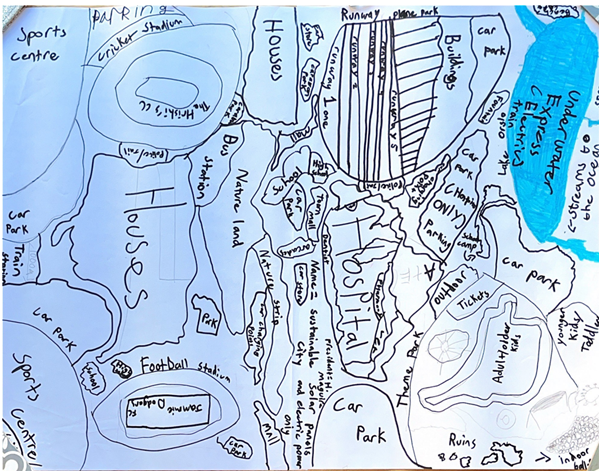
These events gave 150 children aged between 10 to 16 the opportunity to share their thoughts on their area and to design their own town.
Through the engagement with young people, we could see that they experience, and interact with places differently so it is important as planners that we consider their thoughts and needs when preparing plans for their local area. This is especially important in Edinburgh where under 16-year-olds make up 15% of the population.
The Royal Town Planning Institute recognises the importance of engaging children in the planning processes; it states that ‘parents, professionals and politicians all have strong views about what is best for children. However, this is from an adult’s perspective, and they may not identify the same issues (or wants) as the children themselves.’
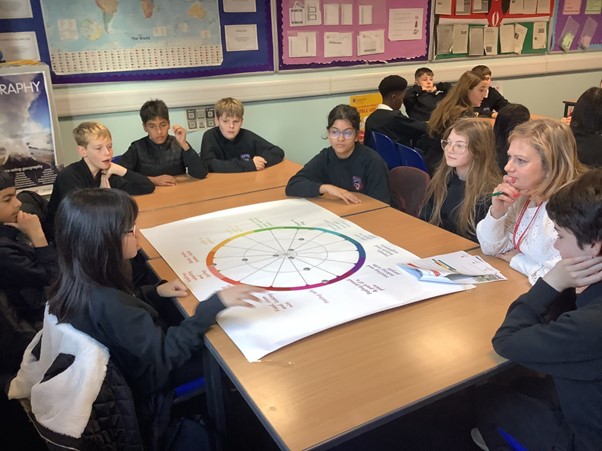
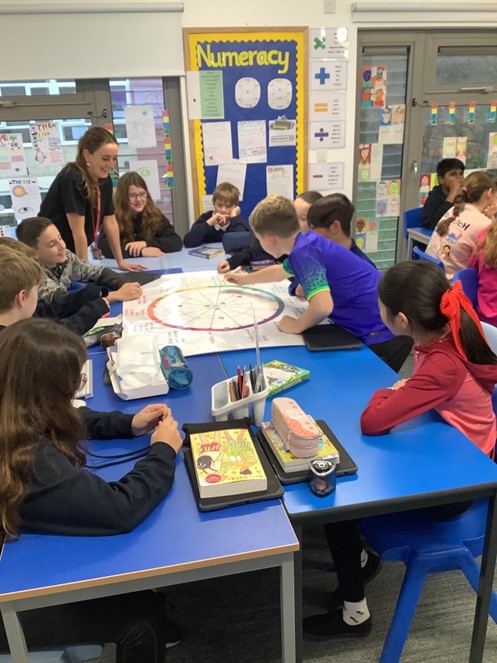
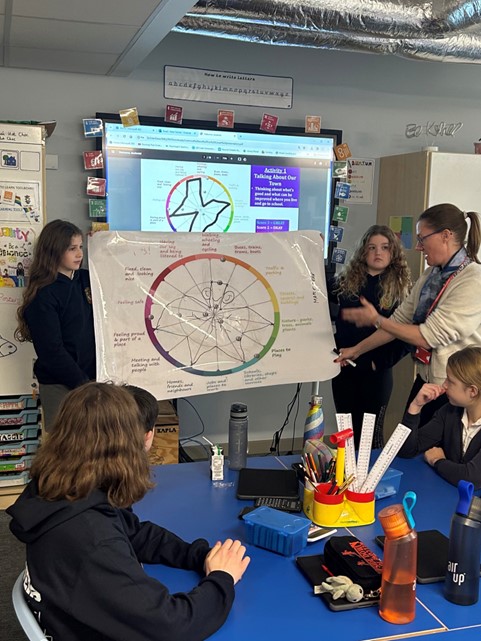
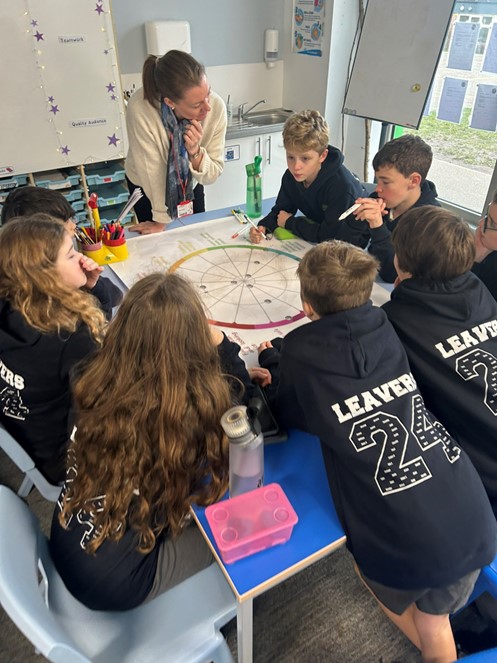
To gather these invaluable perspectives, two different activities were used to spark curiosity and discussion around planning and new development in West Edinburgh.
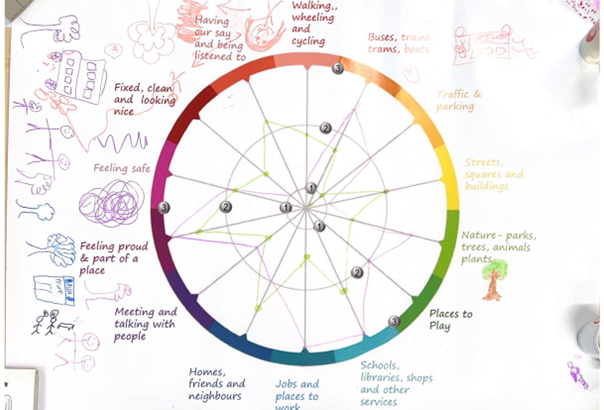
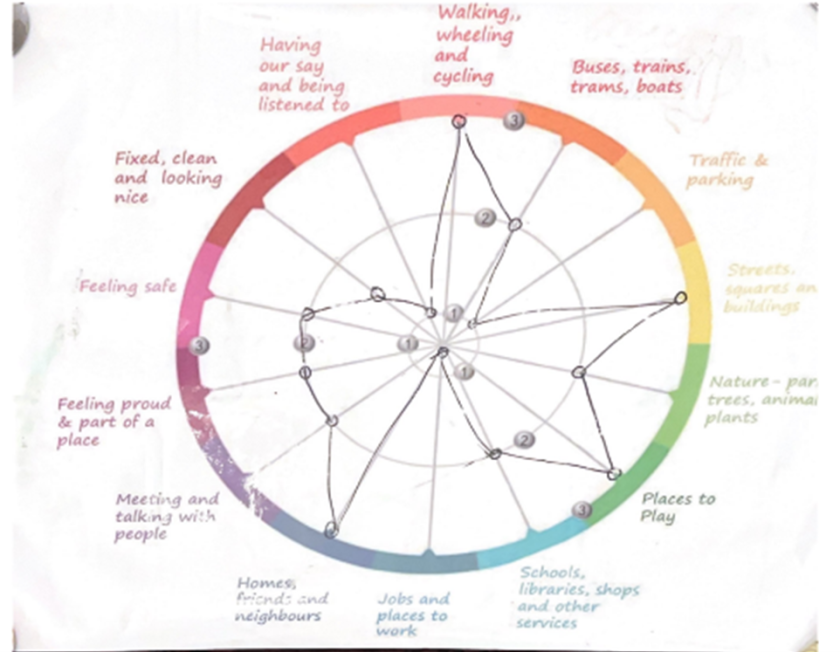
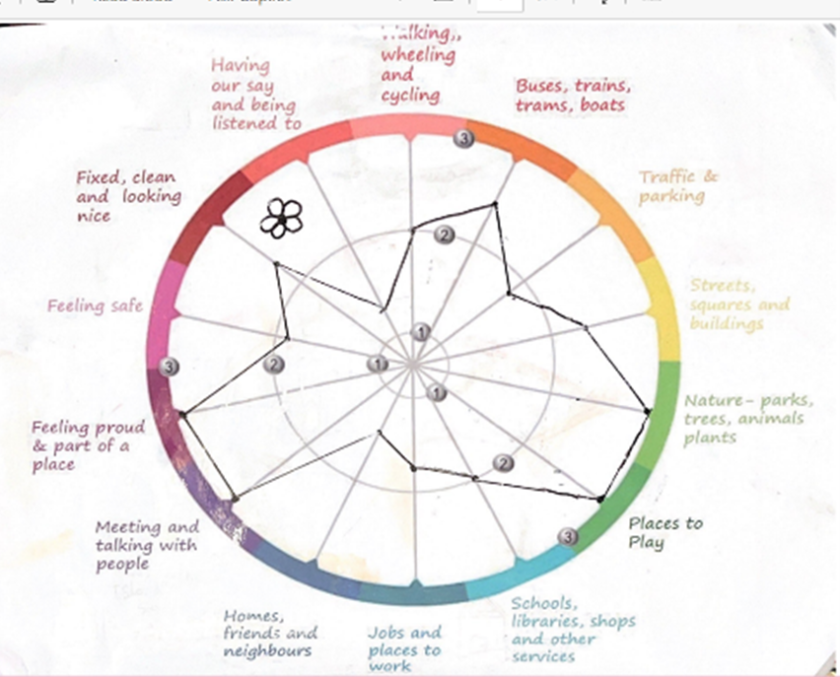
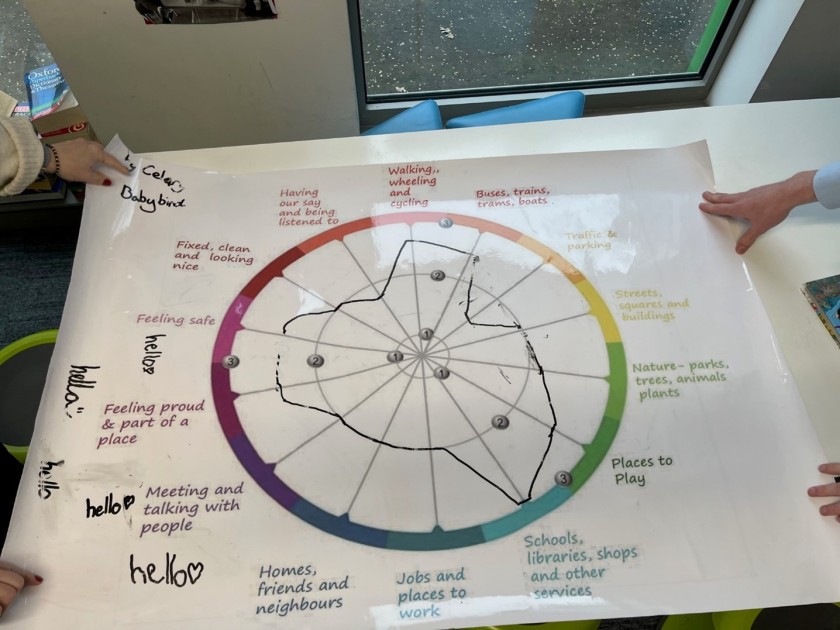
Example of use of the Place Standard Tool
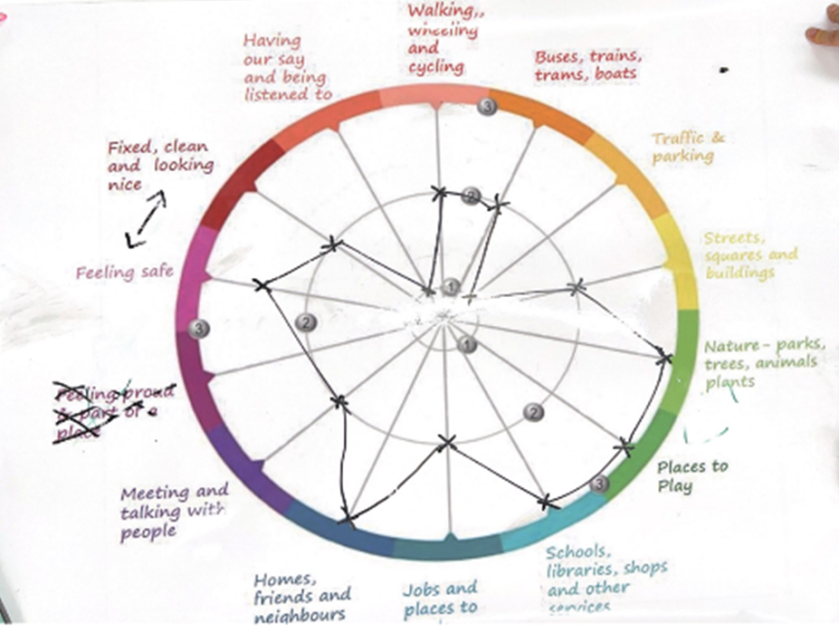
Example of use of the Place Standard Tool
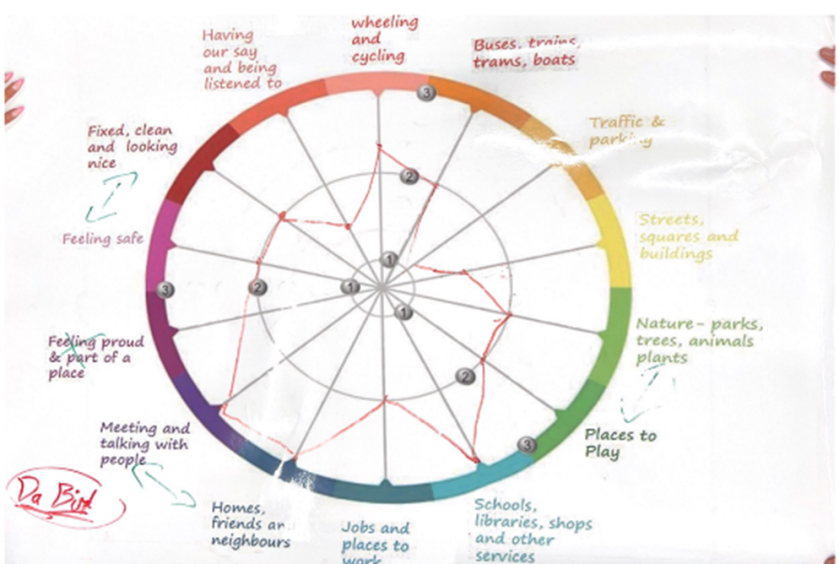
Example of use of the Place Standard Tool
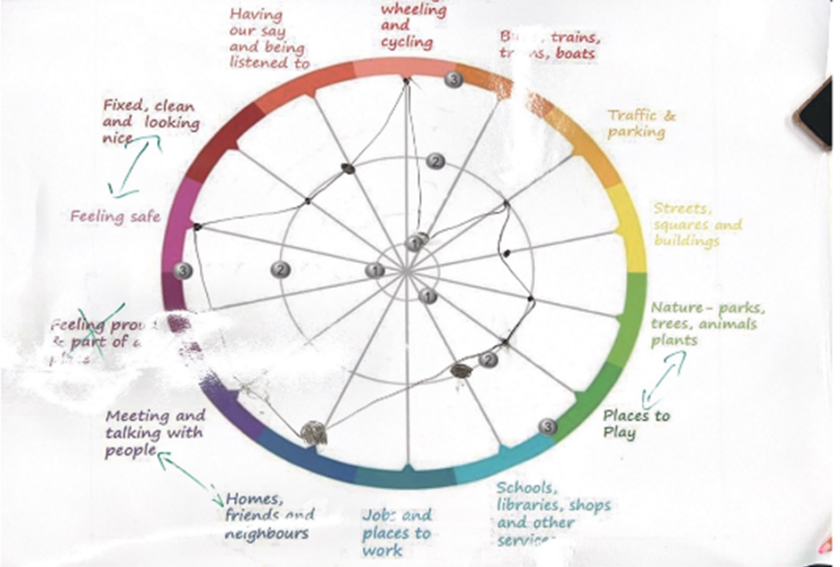
Example of use of the Place Standard Tool
Example of use of the Place Standard Tool
Example of use of the Place Standard Tool
Example of use of the Place Standard Tool
Example of use of the Place Standard Tool
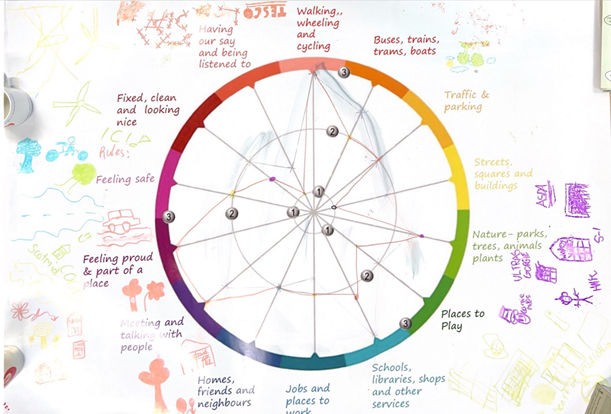
First up was an activity using the Place Standard Tool, which is an interactive tool that facilitates conversations about places. The young people talked about different aspects of their area such as places to play, feeling safe, ability to walk or cycle around, access to facilities and what they felt about their homes. Sharing these views provided us with an insight into what they liked about their area and what could be improved.
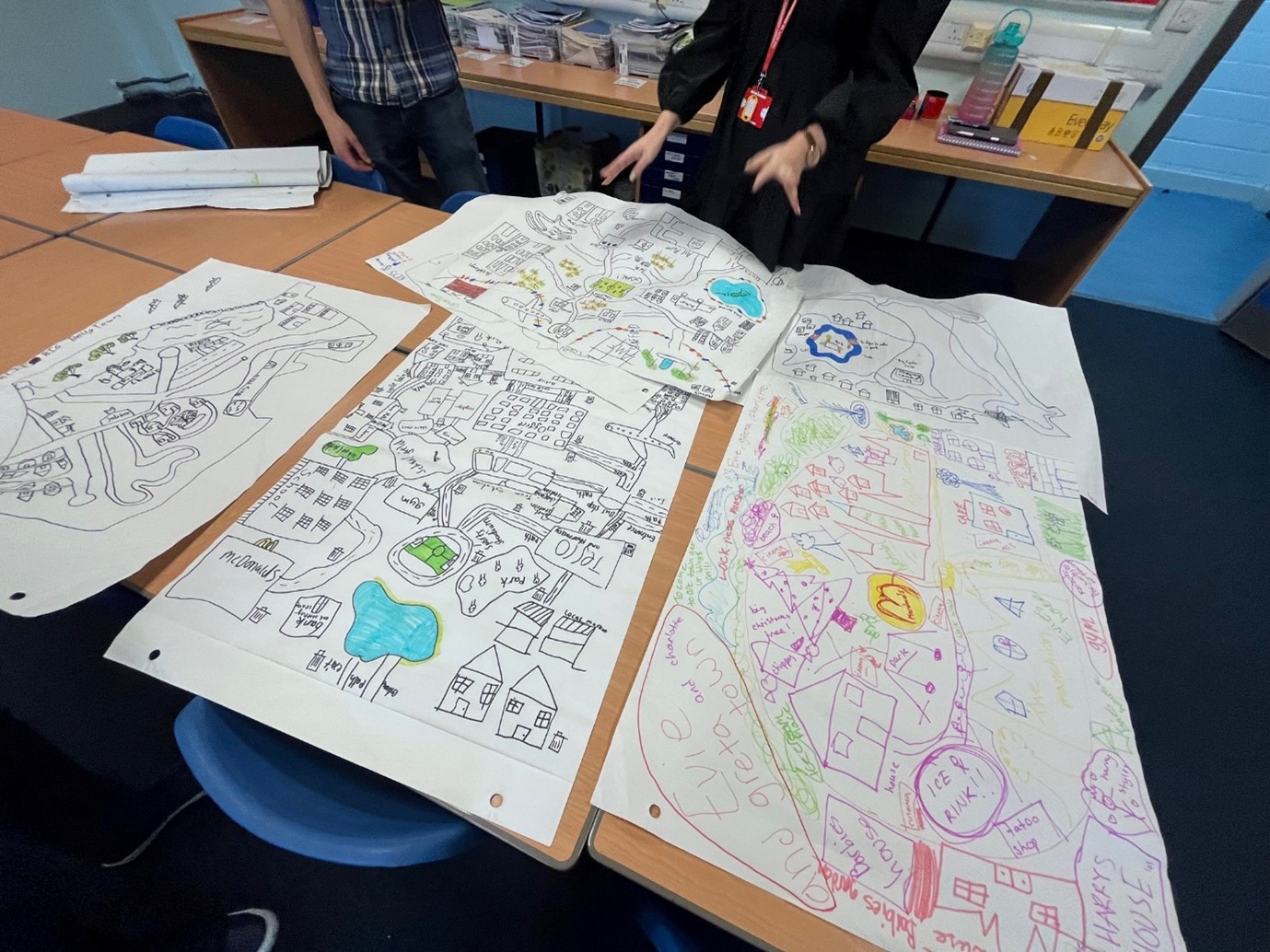
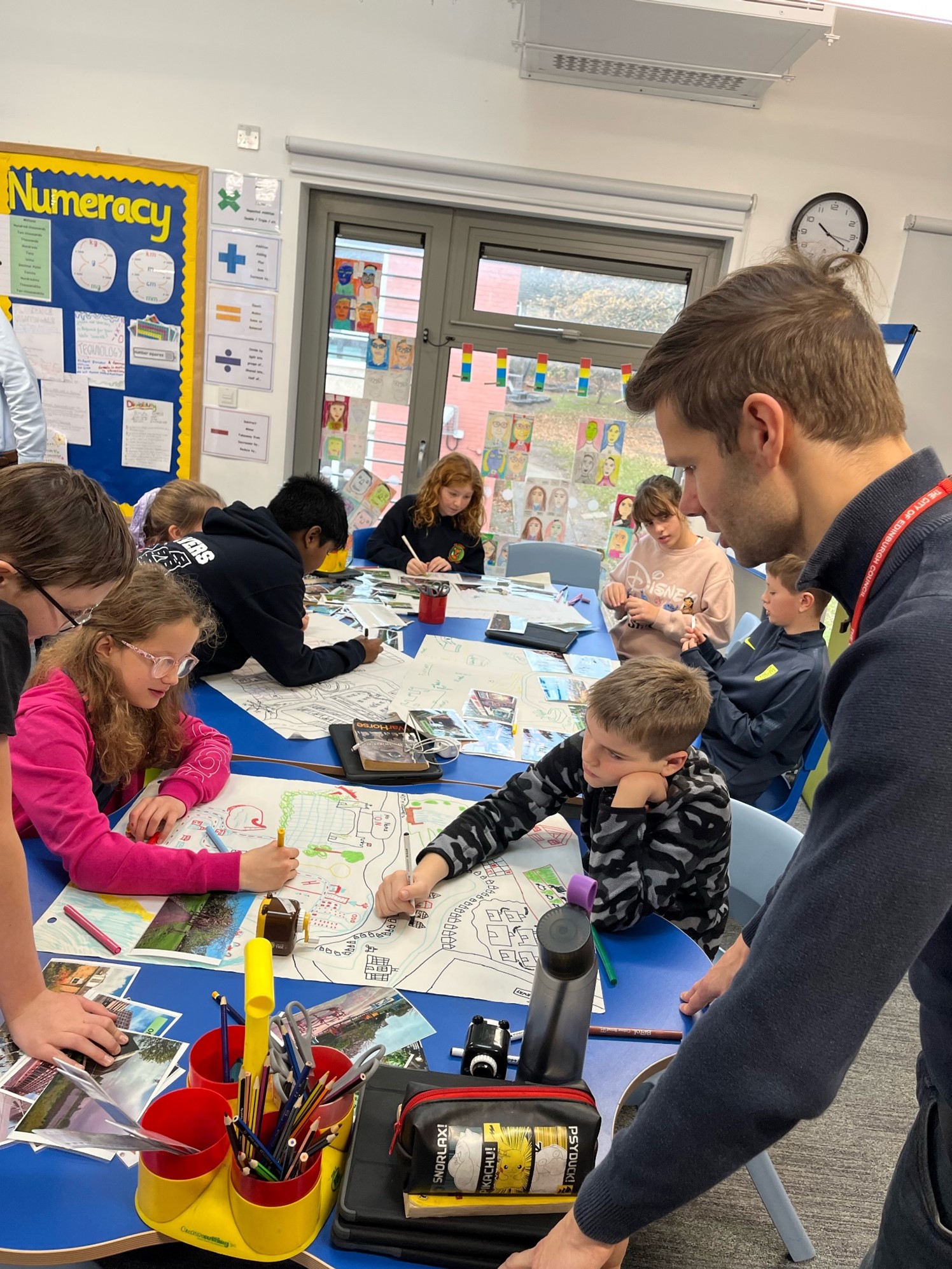
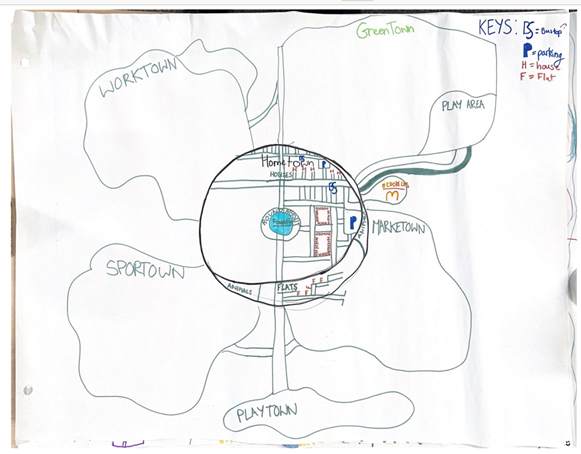
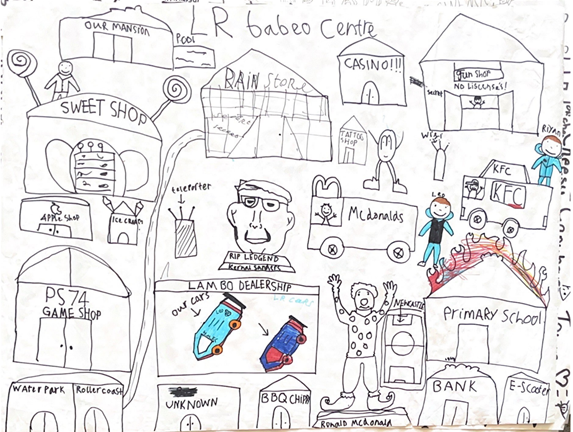
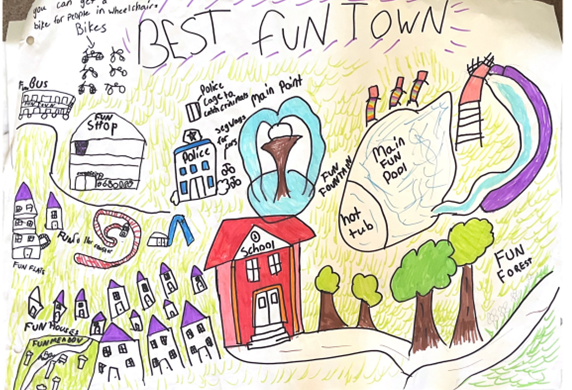
The real magic happened in the second activity, when the young people used their new planning knowledge, alongside their brilliant imaginations, to create their own towns.
Craigmount High School
Craigmount High School
Craigmount High School
Craigmount High School
Cramond Primary School
Cramond Primary School
Cramond Primary School
Fox Covert Primary School (
Fox Covert Primary School
Fox Covert Primary School
Fox Covert Primary School
Fox Covert Primary School
Take a look at all their fascinating towns in the slideshow, with town themes ranging from eco-friendly neighbourhoods promoting open space and low vehicle emissions, to more innovative food, sports and animal themed towns! The most notable aspect shared across these diverse towns was the importance given to large and interesting outdoor spaces and public realms. It became clear that the young people saw these spaces as a priority as places to play, spend time and support their development and well-being.
Although many towns had fun themes, we were really impressed by the children’s ability to incorporate important planning elements such as promoting public transport and active travel, mixed used neighbourhoods, distinctive places, a mix of housing, water as a feature and encouraging physical activity. However, certain fast food restaurants did also feature quite a lot!
Time spent at these three schools not only revealed how keen young people are to contribute to the discussion and demonstrate their needs and perspectives, but also how important they are in creating great places. These engagement activities help us to foster a more inclusive Edinburgh, raise awareness of city planning and the opportunities for young people to see planning as a future profession.
A huge highlight of our visit was the overwhelmingly positive feedback received with the teachers telling us that their students had expressed a newfound interest in pursuing a career in urban planning!



 Planning Edinburgh
You must be logged in to post a comment.